
Simple Strategies for Minimizing Test Anxiety in Students
In today’s education system, tests and exams are an inevitable part of every student’s academic journey. While they serve as a measure of a student’s knowledge and understanding of a subject, they can also be a significant source of stress and anxiety for many students. Test anxiety, also known as exam anxiety, is a psychological condition that can make students feel overwhelmed, causing them to perform poorly in their exams. It can affect students of all ages and can have a significant impact on their academic performance. However, the good news is that there are simple strategies that students can adopt to minimize test anxiety and improve their test scores. In this article, we will explore some of the most effective techniques for minimizing test anxiety in students.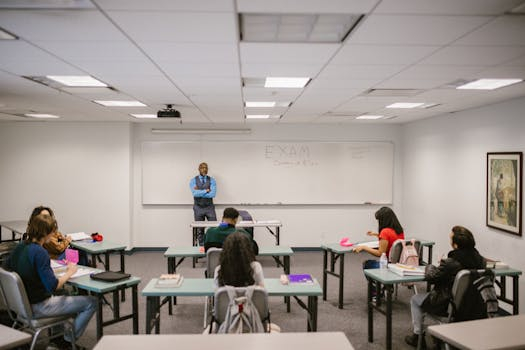
Understanding Test Anxiety
Before we dive into the strategies for minimizing test anxiety, it is essential to understand what it is and how it affects students. Test anxiety is a psychological condition that is characterized by feelings of stress, fear, and unease before or during an exam. It can also manifest in physical symptoms, such as headaches, nausea, and shortness of breath. Students who experience test anxiety may have trouble concentrating, which can significantly affect their performance in exams.
Test anxiety can be caused by various factors, including lack of preparation, fear of failure, and high expectations of oneself. It can also be triggered by external factors such as pressure from parents and teachers, a competitive academic environment, or past negative experiences with exams.
The Impact of Test Anxiety on Students
Test anxiety can have a significant impact on students, both academically and emotionally. When students experience high levels of anxiety, they may have trouble focusing and recalling information, resulting in poor test scores. It can also lead to a lack of motivation to study and a negative attitude towards learning. Emotionally, test anxiety can cause students to feel overwhelmed, anxious, and inadequate. It can also lead to low self-esteem and a fear of failure, which can have a long-term effect on a student’s academic performance.
Simple Strategies for Minimizing Test Anxiety
1. Prepare Adequately
One of the most effective ways to minimize test anxiety is to be well-prepared for exams. Students who have confidence in their knowledge and understanding of a subject are less likely to experience test anxiety. Start preparing for exams early, break down the material into smaller sections, and create a study schedule to ensure you cover all the topics. It is also helpful to practice with past papers and quizzes to get familiar with the exam format and types of questions.
2. Practice Relaxation Techniques
When preparing for exams, it is crucial to take breaks and practice relaxation techniques such as deep breathing, meditation, and visualization. These techniques help to calm the mind and reduce stress and anxiety levels. You can also try progressive muscle relaxation, where you tense and relax different parts of your body to release tension and promote relaxation. Practice these techniques regularly, especially on the days leading up to the exam, to help manage test anxiety.
3. Get Enough Rest
Lack of proper sleep can significantly contribute to test anxiety. When students are tired, they may have trouble focusing and retaining information, leading to poor performance in exams. Make sure to get adequate sleep the night before the exam to feel well-rested and alert. Avoid studying late into the night as it can make you feel more anxious and stressed. Instead, try to get a good night’s sleep and wake up early to review the material one last time.
4. Practice Positive Self-Talk
Positive self-talk can help to calm nerves and reduce test anxiety. Before the exam, repeat positive affirmations such as “I am well-prepared” or “I can do this” to boost your confidence and ease anxiety. Avoid negative self-talk, as it can make you doubt yourself and increase stress levels. Believe in yourself and your abilities, and remember that one test does not define your worth.
5. Stay Healthy
Being in good physical health can help to manage test anxiety. Make sure to eat well-balanced meals and stay hydrated, especially on the day of the exam. Avoid consuming caffeine, as it can increase feelings of anxiety. Exercise regularly as it helps to reduce stress and promotes better sleep. Taking care of your physical health can also positively impact your mental well-being and help you feel more prepared for the exam.
Conclusion
Test anxiety is a common struggle for many students, but it doesn’t have to hinder your academic success. By following these simple strategies, you can minimize test anxiety and perform better on exams. Remember to stay calm, prepared, and believe in yourself. Seek help from your teachers and parents if you continue to struggle with test anxiety. With the right techniques and support, you can overcome exam anxiety and achieve your academic goals.