
The Future of Electronics: Integration into Everyday Objects

The future of electronics is constantly evolving, making our lives easier and more convenient. From smartphones to smart homes, technology has seamlessly integrated itself into our daily routines. However, with the rapid advancements in technology, we are now seeing a shift towards the integration of electronics into everyday objects. This integration not only enhances the functionality of these objects, but also has the potential to revolutionize the way we live and interact with our surroundings. Let’s explore the possibilities and implications of this growing trend.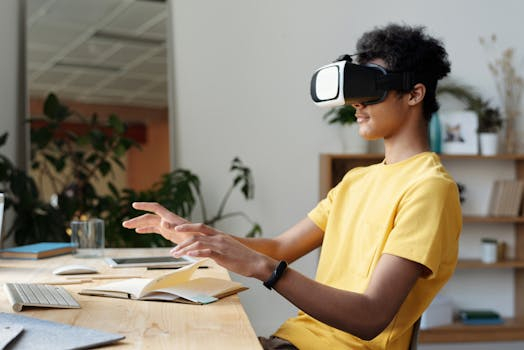
The Integration of Electronics into Everyday Objects
In the past decade, we have witnessed the rise of smart devices such as smart watches, smart thermostats, and smart TVs. These devices have the ability to connect to the internet and perform tasks that were once exclusive to computers. However, the integration of electronics into everyday objects takes this concept a step further by incorporating technology into objects that we use on a daily basis.
Simplicity and Convenience
One of the main driving forces behind the integration of electronics into everyday objects is the desire for simplicity and convenience. The more functionalities we can have in a single object, the less clutter and complexity in our lives. For example, a smart mirror in your bathroom could not only display the time and weather, but also provide you with news updates while you get ready in the morning. This saves time and eliminates the need for multiple devices in your bathroom.
Improving Efficiency and Productivity
The integration of electronics into everyday objects also has the potential to vastly improve efficiency and productivity. For instance, a smart refrigerator can keep track of your grocery list and even place orders for items that are running low. This removes the need for manual list-making and grocery shopping, freeing up time for other tasks. Smart office furniture, such as desks and chairs, can also track your posture and remind you to take breaks, thus promoting a healthier and more productive work environment.
Challenges and Considerations
While the integration of electronics into everyday objects offers numerous benefits, it also presents several challenges and considerations that must be taken into account.
Data Privacy and Security
With the constant connectivity and data collection that comes with integrated electronics, privacy and security become major concerns. The more data collected by these objects, the more opportunities there are for hackers to access sensitive information. Manufacturers must prioritize security measures to ensure that our personal data is not compromised.
Cost and Battery Life
The cost of integrating electronics into everyday objects may also present a barrier for widespread adoption. While the technology is becoming more affordable, it may take time for it to become accessible to the average consumer. Additionally, battery life is a crucial factor to consider, as constant connectivity and functionality can drain battery quickly. Manufacturers will need to develop energy-efficient solutions to address this issue.
The Future of Integration
The integration of electronics into everyday objects is only just beginning, and the possibilities are endless. As technology continues to advance and become more affordable, we can expect to see even more objects becoming “smart.” From smart clothes that can regulate body temperature, to smart water bottles that track your daily water intake, the integration of electronics into everyday objects has the potential to transform our lives in ways we never imagined.
The future of electronics is integration, and this trend is here to stay. With the promise of increased efficiency, convenience, and productivity, it is no surprise that more and more objects will become “smart.” However, as with any technological advancement, it is important to address the challenges and concerns that come with it. By finding solutions to these issues, we can ensure a future where integrated electronics enrich our lives without compromising our privacy and security.