
Understanding the Cultural Significance of Traditional Folk Music

When we think of traditional folk music, we often conjure images of bearded men in plaid shirts strumming their guitars or a group of women clad in traditional garb singing in unison. While these depictions may be familiar, they only scratch the surface of the cultural significance of traditional folk music. From its roots in ancient civilizations to its current role in modern society, traditional folk music has played a vital role in shaping cultures, preserving traditions, and connecting communities. In this article, we will dive deeper into the rich history and impact of traditional folk music.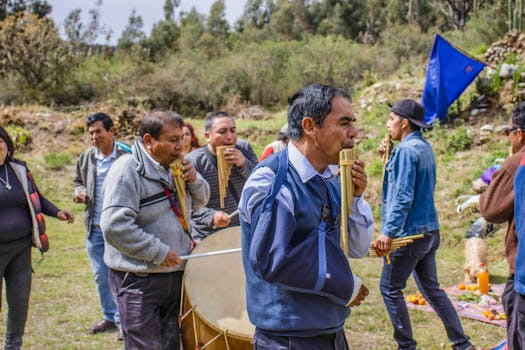
From Ancient Civilizations to Modern Times
The origins of traditional folk music can be traced back to ancient civilizations, where it served as a means of storytelling and passing down cultural values and traditions. It was often performed during festivals, ceremonies, and other important events, and served as a way to unite communities and express their collective identity.
As time passed, traditional folk music evolved and adapted to the changing times. It was influenced by different cultural and musical traditions, resulting in a diverse and rich tapestry of sounds and styles. In many countries, traditional folk music remains an integral part of their cultural heritage and is still performed to this day.
The Role of Traditional Folk Music in Culture
Preservation of Cultural Heritage
One of the primary purposes of traditional folk music is to preserve a culture’s heritage and traditions. Through songs and lyrics, stories and customs are passed down from one generation to the next, ensuring that they are not forgotten or lost. This is especially important in today’s modern society, where globalization and modernization often erode traditional practices and values.
Connection to Nature and Community
Traditional folk music often reflects a deep connection to nature and the land, as it was created and performed by people who lived in close harmony with their environment. The songs and rhythms are often inspired by the sounds of nature, and the lyrics often speak about the joys and struggles of rural life. This connection to nature also extends to a sense of community, as traditional folk music brings people together and creates a shared experience.
Examples of Traditional Folk Music
Celtic Music
Celtic music is a genre of traditional folk music that originated in Ireland, Scotland, and other Celtic regions. It is characterized by a mix of upbeat and somber melodies, often played on instruments such as the fiddle, tin whistle, and bodhran. Celtic music has a strong sense of storytelling, with lyrics that often focus on themes of love, death, and nature.
Bluegrass Music
Originating in the United States in the 1940s, bluegrass music is a form of traditional folk music that combines elements of Irish, Scottish, and English folk music with African-American jazz and blues. Typically featuring fast tempos and instrumental virtuosity, bluegrass music is often performed with stringed instruments such as the banjo, fiddle, and guitar. The genre gained widespread popularity with pioneers such as Bill Monroe, Flatt & Scruggs, and The Stanley Brothers.
The Importance of Preserving Traditional Folk Music
As modern music continues to evolve, it is crucial to remember the value and importance of traditional folk music. Not only does it preserve a culture’s heritage and traditions, but it also serves as a bridge between the past and the present, connecting us to our roots and our communities.
Furthermore, traditional folk music is a testament to the resilience and adaptability of cultures. It has evolved and survived throughout the ages, proving its enduring relevance and significance in society.
In Conclusion
Traditional folk music is more than just a genre of music; it is a vibrant and integral part of cultures around the world. From its ancient origins to its present-day form, it has played a crucial role in shaping and preserving different cultures. As we continue to celebrate and appreciate traditional folk music, we not only honor our past but also ensure its vitality for future generations.