
The Evolution of Music Consumption: From Vinyl to Streaming

As technology advances and society evolves, so does the way we consume music. From the sounds of a spinning vinyl record to the convenience of streaming services, the way we access and listen to music has transformed over the years. In this article, we will take a closer look at the evolution of music consumption, from the classic days of vinyl records to the modern era of streaming.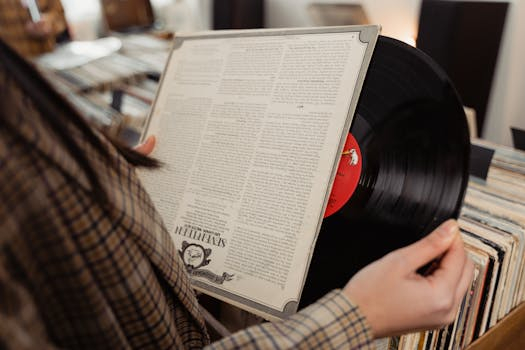
The Rise of Vinyl Records
Before the invention of vinyl records, the only way to listen to music was through live performances or on the radio. However, in 1948, the introduction of vinyl records revolutionized the music industry. These records were made of a durable plastic material called polyvinyl chloride (PVC) and had a wider range of frequency response, providing a clearer and more detailed sound compared to the previous format of shellac records.
Vinyl records became extremely popular in the 1950s to the 1980s, known as the “golden age of vinyl.” This era saw the rise of popular music genres like rock and roll, soul, and disco, all of which were widely released on vinyl records. People not only bought records to listen to their favorite music but also to collect them as pieces of art.
The Fall of Vinyl Records
Despite its popularity, the use of vinyl records began to decline in the 1990s with the introduction of new formats like cassette tapes and compact discs (CDs). These new formats were more compact, easier to carry, and provided a better sound quality, making them a more convenient option for music lovers. As a result, vinyl records gradually became less prevalent and were replaced by these newer formats.
The Rise of Digital Music
In 1999, the invention of Napster, a peer-to-peer file-sharing service, revolutionized the music industry once again. It allowed users to download and share music files for free, which quickly gained popularity among music lovers. However, this led to an increase in music piracy and copyright infringement issues, leading to the shutdown of Napster in 2001.
Nevertheless, this sparked a new era of digital music consumption. In 2003, Apple launched the iTunes store, offering legal digital downloads of music. This was a game-changer, as users could now legally purchase and download individual songs rather than buying a full album. It also led to the rise of portable music players like the iPod, making it easier for people to listen to music on the go.
The Emergence of Streaming Services
In 2006, the concept of streaming music was introduced, allowing users to access music online without having to download it. In the following years, popular streaming services like Spotify and Pandora took the market by storm, offering unlimited access to millions of songs for a monthly subscription fee. This not only gave users easy access to a vast selection of music but also opened up new opportunities for artists to reach a wider audience.
The Present and Future of Music Consumption
Today, streaming is the dominant form of music consumption, with millions of users globally using services like Spotify and Apple Music. This trend is expected to continue in the future, with advancements in technologies like virtual reality and artificial intelligence, offering users a more immersive and personalized music experience.
The Benefits of Streaming Services
The rise of streaming has also brought significant benefits to the music industry. Artists can now reach a wider audience and earn revenue through streaming, and record labels can track and analyze listener data to better understand consumer behavior and preferences.
Moreover, streaming services have made music more accessible and affordable for the masses. Each person’s music collection is no longer limited to physical storage or budget constraints, as users can now access millions of songs for a fraction of the cost.
The Future of Vinyl Records
Despite the dominance of digital music, the popularity of vinyl records has made a surprising comeback in recent years. In 2016, vinyl sales hit a 25-year high, with many enthusiasts and collectors embracing this classic format once again. This trend is expected to continue as people continue to have a nostalgic love for this form of music consumption.
In conclusion, the evolution of music consumption has come a long way from the days of vinyl records to the modern era of streaming. As technology continues to advance, who knows what the future holds for the way we listen to music. One thing is for sure, the love for music will never die, and we will continue to find new and innovative ways to enjoy it.