
The Role of Music in Shaping Social and Political Movements

Music has always been a powerful tool for connection and expression. From the chants of ancient civilizations to the protest songs of the civil rights movement, music has played a crucial role in shaping social and political movements throughout history. It has the ability to bring people together, ignite passions, and spark change. In this article, we will delve into the significant impact music has had in driving social and political movements, and how it continues to be a driving force in shaping the world we live in.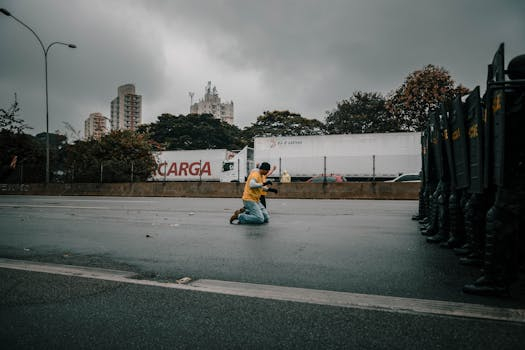
The Emotional Power of Music
One of the reasons music is so influential in shaping social and political movements is its ability to evoke emotion. It has the power to stir up feelings of unity, rebellion, hope, or anger. Songs have been used as a form of protest, expressing the frustrations and aspirations of people during times of political and social upheaval. For example, during the Vietnam War, songs like “Fortunate Son” by Creedence Clearwater Revival and “Blowin’ in the Wind” by Bob Dylan became anthems for the anti-war movement, resonating with the frustrations and desires of the younger generation.
The Role of Folk Music in Social Movements
Folk music has long been associated with social activism and protest. It has been used as a medium to voice the struggles and experiences of marginalized groups, such as the working class, women, and people of color. Artists like Woody Guthrie and Pete Seeger were prominent figures in the American folk music scene, using their music to advocate for social change and shine a light on societal issues. Songs like “This Land Is Your Land” and “We Shall Overcome” became synonymous with the civil rights movement and continue to be used as rallying cries for social justice today.
Revolutionary Music in Political Movements
In political movements, music has been used as a powerful tool to mobilize and unite people towards a common cause. A prime example of this is the struggle for freedom and independence in South Africa. During the apartheid era, music became a form of resistance and rebellion against the oppressive regime. Songs like “Nkosi Sikelel’ iAfrika” and “Asimbonanga” by artists like Miriam Makeba and Johnny Clegg united and gave hope to the people fighting for freedom.
The Impact of Music in the Digital Age
In today’s digital age, music has a wider reach and an even greater impact on social and political movements. With the rise of social media, music has become a powerful tool for spreading awareness and mobilizing people towards a cause. Artists like Beyoncé and Kendrick Lamar use their platforms and music to shed light on issues like police brutality and systemic racism, sparking conversations and igniting change.
The Use of Music in Protests and Movements
Music is often an integral part of protests and social movements, serving as a source of motivation and unification. In recent years, songs like “We Are the Champions” by Queen and “I Can’t Breathe” by H.E.R have been used as anthems in protests, with people coming together and singing along in solidarity. Music has also been used as a form of peaceful resistance, as seen in the singing of “We Shall Overcome” during the Civil Rights Movement.
The Influence of Music in Political Campaigns
In addition to social movements, music also plays a vital role in political campaigns. Candidates use songs to convey their message and connect with voters emotionally. For example, former US President Barack Obama’s campaign was marked by the use of songs like “Signed, Sealed, Delivered” by Stevie Wonder and “Can’t Stop the Feeling” by Justin Timberlake, which helped to create an energetic and positive atmosphere.
The Future of Music in Shaping Social and Political Movements
As we move forward, music will undoubtedly continue to play a significant role in shaping social and political movements. It has the power to transcend language and cultural barriers, bringing people together in ways that words alone cannot. With the rise of technology and social media, music will have an even more significant impact on society, amplifying voices and driving change.
Conclusion
The role of music in shaping social and political movements is undeniable. From its ability to evoke emotion to its use as a tool for unity and resistance, music has been a driving force in bringing about social change. As we have seen throughout history, music has the power to unite, inspire, and ignite revolutions. It will continue to be a powerful tool for driving progress and shaping the world for generations to come.