
How to Choose the Right DAW Interface for Your Setup

Welcome to the world of recording and producing music! The possibilities are endless with the advancements in technology and the availability of digital audio workstations (DAWs). But with so many options out there, it can be overwhelming trying to choose the right DAW interface for your setup. Don’t worry, we’ve got you covered. In this article, we’ll guide you through the process of selecting the perfect DAW interface for your needs. From understanding what a DAW interface is, to considering your budget and specific requirements, we’ll help you make an informed decision. So let’s dive in and find the perfect DAW interface for you!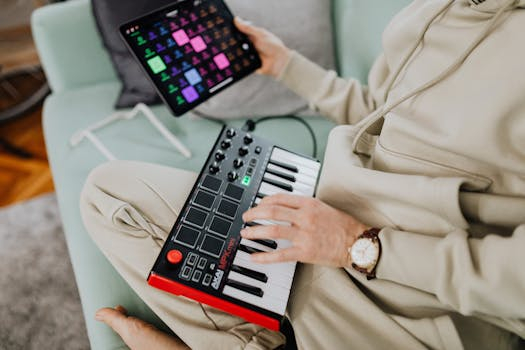
What is a DAW Interface?
Before we get into the nitty-gritty of how to choose the right DAW interface, let’s first understand what it actually is. A DAW interface, also known as a digital audio interface, is a piece of hardware that connects your computer to your audio equipment, such as microphones, instruments, and studio monitors. It acts as a bridge between your analog sound and your digital audio workstation, allowing you to record, edit, and mix your music. Think of it as the translator between your musical ideas and your computer.
Consider Your Budget
One of the first things to consider when choosing a DAW interface is your budget. With various options available, from affordable to high-end interfaces, it’s important to determine how much you’re willing to spend. Keep in mind that more expensive does not always mean better quality. Do your research and read reviews from trusted sources to ensure that you get the best value for your money.
Connection Types
Another crucial factor to consider is the type of connections the DAW interface offers. The most common connection types are USB, Firewire, and Thunderbolt. USB is the most budget-friendly and widely available, but it may not provide enough bandwidth for larger projects. Firewire is known for its high bandwidth, making it suitable for larger setups. Thunderbolt is the newest and fastest connection type, but it may come at a higher cost. Consider your requirements and choose the connection type that works best for your setup and budget.
Analog-to-Digital Converters (ADCs)
The quality of the analog-to-digital converters (ADCs) in your DAW interface can significantly impact the overall sound of your recordings. ADCs are responsible for converting the analog signals from your microphones and instruments into digital signals that can be processed by your computer. The higher the quality of the ADCs, the better the sound you’ll get. Look for interfaces with reputable ADC brands such as Cirrus Logic, AKM, or Burr-Brown.
Inputs and Outputs
Next, consider the number and type of inputs and outputs your DAW interface offers. Inputs are where you connect your microphones and instruments, while outputs are where you connect your studio monitors and headphones. It’s important to have enough inputs and outputs for your setup, but more importantly, make sure they match your specific needs. Some interfaces offer a combination of XLR, TRS, and MIDI inputs, while others may have more or less of a specific type. Figure out what you need and choose accordingly.
Software Compatibility
Most DAW interfaces come with their own software or are compatible with popular DAWs such as Pro Tools, Logic Pro, or Ableton Live. Make sure to check the compatibility of the interface with the software you plan to use. Some interfaces offer special features and plugins that are only available when using their proprietary software. Take into consideration the software you’re comfortable using and any additional features you may require.
Control Surface Functionality
If you want to have hands-on control of your DAW, consider getting an interface with control surface functionality. This allows you to control your DAW using physical knobs, faders, and buttons on the interface. It gives you a more tactile and intuitive approach to mixing and editing your music. However, this feature may come at a higher cost, so decide if it’s something you truly need before investing.
Choose the Right DAW Interface for Your Setup
When choosing the right DAW interface for your setup, remember to keep your needs and budget in mind. Consider the connections, ADCs, inputs and outputs, software compatibility, and control surface functionality. Don’t rush into making a decision and take the time to do your research. Read reviews, watch demos, and consider asking for recommendations from other musicians and producers. With the right DAW interface, you’ll have the power to unleash your creativity and take your music to the next level. Happy producing!