How to Choose the Right Microphone for High-Quality Podcasting

If you’re thinking about starting your own podcast, one of the most important elements to consider is the type of microphone you will use. A high-quality microphone can make all the difference in the overall sound quality of your podcast. With so many options available on the market, it can be overwhelming to choose the right one. In this article, we will discuss the key factors to consider when selecting a microphone for high-quality podcasting.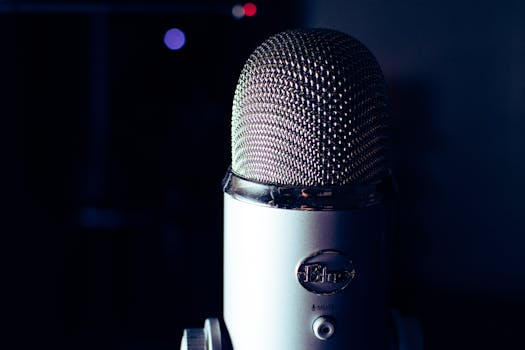
The Importance of Choosing the Right Microphone
In the world of podcasting, the quality of the audio is crucial to the success of your show. Podcasts are meant to be listened to, which means the audio must be clear and easy to understand. The microphone you choose will play a significant role in the overall sound quality of your podcast. It can also affect how your voice is perceived by your listeners. A low-quality microphone can make your voice sound tinny or muffled, making it difficult for listeners to engage with your content. On the other hand, a high-quality microphone can capture your voice accurately and clearly, making for a more enjoyable listening experience.
Factors to Consider
Microphone Type
There are primarily two types of microphones used for podcasting: dynamic and condenser. Dynamic microphones are more rugged and are better suited for handling loud sounds, making them a popular choice for live events. Condenser microphones, on the other hand, are more sensitive and can capture more detailed and nuanced sound. They are commonly used in studio environments and are ideal for podcasting.
Frequency Response
The frequency response of a microphone refers to the range of frequencies it can pick up. For podcasting, it is essential to select a microphone with a flat frequency response. This means that the microphone will pick up sound equally across all frequencies, resulting in a more balanced and natural-sounding voice.
Directionality
The directionality of a microphone refers to the way it picks up sound. There are three types of directionality: omnidirectional, cardioid, and bi-directional. For podcasting, a cardioid microphone is the most suitable choice as it captures sound in a heart-shaped pattern, allowing it to focus on the speaker’s voice and reject background noise.
Connectivity
The two most common types of microphone connectors are USB and XLR. USB microphones are plug-and-play, meaning they can be connected directly to a computer without the need for any additional equipment. On the other hand, XLR microphones require an audio interface to connect them to a computer. While USB microphones are more convenient and straightforward, XLR microphones tend to have better sound quality and are more versatile.
Tips for Choosing the Right Microphone
Research and Compare
It is essential to do proper research and compare different microphones before making a decision. Read reviews, watch demo videos, and listen to audio samples to get an idea of how each microphone sounds and performs in real-world situations.
Consider Your Budget
Microphones can range from under $50 to over $1000, so it is crucial to determine your budget before you start the search. Keep in mind that a higher price does not always equate to better quality, and there are many budget-friendly options that still offer excellent sound quality.
Choose Quality Over Features
While it can be tempting to opt for a microphone that has many fancy features, it is more important to prioritize the quality of the sound. A basic microphone with high-quality construction and components will always outperform a microphone with a lot of features but low-quality sound.
Test Before You Buy
If possible, try out the microphone before making a purchase. You can visit a store that specializes in audio equipment or rent the microphone for a day to see how it works for your specific needs.
The Final Decision
Choosing the right microphone for high-quality podcasting requires careful consideration of several factors. It is crucial to select a microphone that is suitable for your specific needs, budget, and preferred style of podcasting. With the right microphone, you can ensure that your podcast sounds professional and engaging, making it more enjoyable for your listeners.
In conclusion, investing in a high-quality microphone is an essential step in creating a successful podcast. By considering the factors mentioned in this article and following the tips, you can select the perfect microphone for your podcasting needs and take your show to the next level.