
Understanding the Role of Play in Early Childhood Development
Play is a fundamental part of childhood. From building blocks to imaginary games, children are constantly engaging in play. As parents or caregivers, we often see play as just a form of entertainment for children. However, play is much more than that. In fact, play plays a significant role in a child’s early development. In this article, we will delve into the importance of play in early childhood development and how it affects a child’s overall growth and development.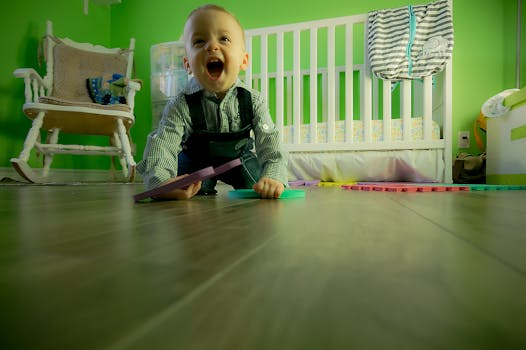
The Importance of Play in Early Childhood Development
Play is a child’s natural way of exploring and understanding the world around them. It is through play that children develop their physical, cognitive, emotional, and social skills. Play is also essential for a child’s overall well-being and development. Let’s take a closer look at how play positively impacts different aspects of a child’s growth.
Physical Development
Play is essential for a child’s physical development. When children engage in physical activities, such as running, jumping, or playing sports, their bodies are actively growing and strengthening. Play helps children improve their gross motor skills, which involve the use of large muscles in the body, such as legs and arms. For example, as a child plays on a swing, they are using their leg muscles to pump the swing, thus improving their strength and coordination.
Not only does play help with physical development, but it also promotes good health habits. By engaging in active play, children develop healthy habits and are less likely to become overweight or obese. This is especially important in today’s sedentary lifestyle, where children spend more time in front of screens than engaging in physical activity.
Cognitive Development
Play is not only crucial for physical development, but it also plays a significant role in a child’s cognitive development. Through play, children are exposed to new information, experiences, and challenges, which help them learn and grow. For example, playing with puzzles helps children develop problem-solving skills, while building blocks stimulate their creativity and spatial awareness.
Moreover, play helps improve a child’s memory, attention span, and language skills. As children play, they constantly use their minds to problem-solve, make decisions, and communicate with others, all essential skills for cognitive development.
Emotional Development
Play has a tremendous impact on a child’s emotional development. When children play, they are able to express and manage their emotions in a safe and healthy way. For example, playing with dolls or puppets allows children to act out scenarios and express their feelings. This is especially important for young children who have not yet developed the vocabulary to express their emotions verbally.
Furthermore, play also helps children develop empathy and social skills. As they engage in cooperative play with other children, they learn to take turns, share, and work together, which are vital skills for building relationships and developing emotional intelligence.
Social Development
Finally, play has a significant impact on a child’s social development. As children play with others, they learn essential social skills, such as communication, cooperation, and problem-solving. Play also helps children build relationships and form friendships, which are crucial for their social well-being.
Moreover, play fosters a sense of belonging and community in children. Whether it’s joining a sports team or participating in group games, children learn to work together and support one another, promoting a sense of belonging and inclusivity.
Conclusion
In conclusion, play is much more than just a form of entertainment for children. It is a fundamental part of their early development, and it plays a vital role in shaping who they become. Play helps children develop their physical, cognitive, emotional, and social skills, promoting a well-rounded and healthy development. So, the next time you see a child playing, remember that they are not just having fun; they are actively growing and learning.