
The Role of Biometric Data in Personalized Health and Security

In today’s fast-paced world, we are constantly seeking ways to simplify our everyday tasks and make our lives more efficient. From unlocking our phones to accessing our bank accounts, biometric data has become an integral part of our daily routines. With the rise of personalized health and security, biometric data has taken on a crucial role in safeguarding our well-being. In this article, we will delve into the role of biometric data in personalized health and security, and how it is revolutionizing the way we approach these two aspects of our lives.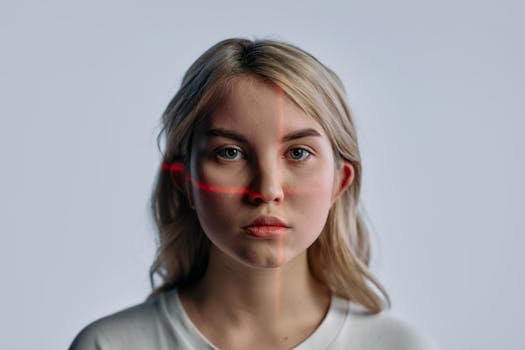
The Basics of Biometric Data
Biometric data refers to unique physical or behavioral characteristics that are used for identification and authentication purposes. These include fingerprints, iris or retina patterns, voice patterns, facial features, and even gait recognition. As technology has advanced, the use of biometric data has become increasingly widespread. It is now commonly used in various industries, such as banking, travel, and healthcare.
Personalized Health and Biometric Data
In the realm of healthcare, the use of biometric data has opened up endless possibilities. With the help of biometric devices, individuals can now monitor their health in real-time, keeping track of their vital signs, physical activity, sleep patterns, and more. This data can be uploaded to a secure cloud platform, where it can be accessed by healthcare professionals to track the progress of their patients. This allows for more personalized and efficient healthcare, as doctors can make more informed decisions based on real-time data.
Biometric data has also played a significant role in managing chronic diseases. For individuals with conditions such as diabetes, biometric devices can help track their blood sugar levels and insulin intake. This not only provides a more accurate reading but also eliminates the need for constant manual monitoring, making it easier for patients to manage their condition.
Security and Biometric Data
In terms of security, biometric data has become a game-changer. Traditional methods of identification, such as passwords and PINs, have proven to be easily hackable and are becoming increasingly obsolete. Biometric data, on the other hand, offers a more secure and convenient alternative. As each individual’s biometric data is unique, it is nearly impossible to duplicate, making it a reliable form of identification.
With the rise of mobile banking and online transactions, biometric data has become a critical security feature. Fingerprint and face recognition have become the norm in verifying transactions, providing an added layer of security against fraud. Biometric data has also been used in borders and airports, allowing for smoother and more efficient travel with features such as facial recognition technology.
The Concerns Surrounding Biometric Data
While biometric data has brought many advantages to personalized health and security, it has also raised concerns over privacy and data protection. Due to the sensitive nature of biometric data, there is always a risk of it falling into the wrong hands. This is why it is crucial for companies and organizations to have strict security measures in place when handling biometric data. They must also obtain proper consent from individuals, informing them about the collection, storage, and use of their biometric data.
In recent years, there have been incidents of biometric data being compromised, highlighting the need for stricter regulations and standards in the handling of such data. Governments around the world have started implementing laws and guidelines to protect biometric data, such as the European Union’s General Data Protection Regulation (GDPR) and the California Consumer Privacy Act (CCPA).
The Future of Biometric Data
As technology continues to advance, the potential of biometric data in personalized health and security is limitless. With the incorporation of artificial intelligence and machine learning, biometric devices can provide more accurate and personalized data. This can greatly improve the efficiency of healthcare and security systems worldwide.
However, with the ever-growing dependence on biometric data, it is essential to establish ethical and legal frameworks to ensure the responsible use of such information. Transparency and accountability must also be prioritized to build trust between organizations and individuals.
In Conclusion
The role of biometric data in personalized health and security cannot be overstated. It has revolutionized the way we approach these two aspects of our lives, providing more personalized and efficient solutions. While concerns surrounding privacy and data protection must be addressed, the future looks bright for biometric data as we continue to harness its power for the betterment of society.