
Understanding the Impact of E-Waste on Global Resource Scarcity

In today’s modern world, technology plays a significant role in our daily lives. From smartphones and laptops to household appliances and automobiles, electronic devices have become an integral part of our society. However, with the ever-increasing demand for new and innovative products, there is also a significant increase in the production of electronic waste, commonly known as e-waste. While most people are aware of the environmental impact of e-waste, many are unaware of its effects on global resource scarcity. In this article, we will explore the issue of e-waste, its impact on global resource scarcity, and the steps we can take to mitigate its effects.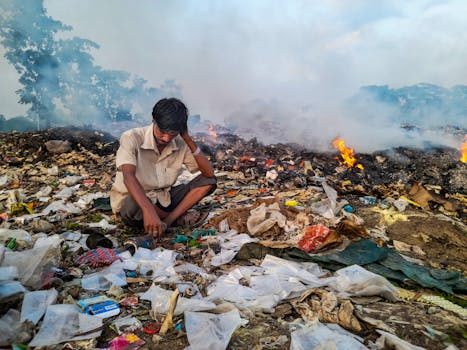
The Growing Crisis of E-Waste
According to a report by the Global E-waste Monitor, the world generated approximately 53.6 million metric tonnes of e-waste in 2019, and this number is expected to increase to 74.7 million metric tonnes by 2030. E-waste consists of discarded electronic devices such as smartphones, computers, printers, and televisions, which contain hazardous substances like lead, mercury, and cadmium. When improperly disposed of, these substances can contaminate the soil, air, and water, leading to serious health risks for both humans and the environment.
While e-waste is a global issue, it is also a problem in developing countries. These countries lack proper recycling and disposal facilities, making them prime destinations for dumping e-waste from developed countries. As a result, these developing countries often suffer from the adverse effects of e-waste, such as groundwater contamination, air pollution, and the loss of valuable resources.
The Impact on Global Resource Scarcity
Depletion of Precious Metals
One of the primary consequences of e-waste is the depletion of precious metals. Mobile phones, for example, contain gold, silver, and copper, which are all finite resources. Recycling e-waste can help recover these metals, reducing the need for new mining operations, which are often damaging to the environment. However, with the vast amounts of e-waste being generated worldwide, existing recycling processes cannot keep up, resulting in a significant loss of these valuable resources.
Increased Demand for Rare Earth Elements
Rare earth elements are essential for the production of modern electronics, including smartphones, computers, and renewable energy technologies. However, these elements are not as abundant as their name suggests, and their mining and processing are destructive to the environment. As the demand for new electronic products increases, so does the demand for rare earth elements, leading to an unsustainable depletion of these resources.
Environmental and Social Consequences
The production of electronic devices also relies heavily on other natural resources such as water, energy, and wood. With the ever-increasing demand for new products, these resources are being extracted at an alarming rate, leading to environmental degradation and social consequences. For example, the production of smartphones requires large amounts of water and energy, and the process also produces toxic chemicals that can contaminate water sources and harm the health of nearby communities.
Mitigating the Effects of E-Waste
To combat the impacts of e-waste on global resource scarcity, we must take immediate action to change our production and consumption habits. As individuals, we can start by reducing our electronic waste by properly disposing of old devices through recycling programs and donating them for reuse when possible. We can also choose to buy electronics from companies that have sustainable and responsible practices in place, such as using recycled materials and providing take-back programs for their products at the end of their life cycles.
Furthermore, governments must implement stricter regulations and enforce them to prevent the dumping of e-waste in developing countries. It is also crucial for them to invest in waste management infrastructure and promote sustainable design and production practices in the electronics industry worldwide.
Conclusion
E-waste is a growing crisis that not only harms the environment but also impacts global resource scarcity. However, by taking action at both the individual and governmental levels, we can mitigate its effects and create a more sustainable future for our planet. Let us all take responsibility for our electronic waste and work towards a more circular economy, where resources are reused, recycled, and recovered, rather than disposed of as waste.