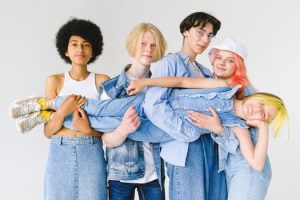
The Significance of Fashion in Portraying Gender Roles
When it comes to the ever-evolving world of fashion, one cannot deny its influence on society, particularly in terms of gender roles. Fashion has been a powerful tool in reflecting and portraying gender roles throughout history. From the clothes we wear to the way they are marketed, fashion has continuously challenged and reinforced traditional concepts of masculinity and femininity. But what exactly is the significance of fashion in portraying gender roles? Let’s delve deeper into this fascinating subject and explore its impact on our perceptions of gender identity and expression.
The Evolution of Gender Roles in Fashion
The concept of gender roles, or the behaviors and traits that are typically associated with a particular gender, has been prevalent for centuries. Historically, there has been a strict dichotomy between what is considered masculine and feminine in terms of fashion. Men were expected to dress in a more conservative and utilitarian manner, while women were supposed to wear elaborate and delicate clothing. However, as society progressed, these rigid gender norms started to shift, and fashion played a crucial role in this evolution.
Breaking the Mold: Women’s Fashion
Throughout the 20th century, we saw significant changes in the way women dressed. The 1920s saw the rise of the “flapper” style, which challenged traditional gender norms with its short skirts and loose-fitting clothing. The 1960s and 1970s brought about the feminist movement, and with it, a departure from the restrictive and modest clothing of the past. Women started wearing more androgynous outfits, such as pantsuits and oversized shirts, as a rejection of traditional female fashion.
Reinforcing Stereotypes: Men’s Fashion
In contrast to women’s fashion, men’s fashion has been more resistant to change. Traditional masculine attire, such as suits and ties, has remained largely unchanged for decades. However, subtle shifts have occurred as well. In the 1980s, for example, there was a rise in the popularity of “metrosexual” fashion, where men embraced more “feminine” styles, such as tight-fitting clothing and bold prints. This trend sparked a backlash, with some viewing it as a threat to traditional masculinity.
The Marketing of Fashion and Gender
Fashion marketing has also played a significant role in reinforcing gender roles. Advertisements often perpetuate traditional gender stereotypes, with women being portrayed as delicate and emotional, while men are depicted as strong and dominant. These images heavily influence our perception of gender and what is considered attractive or acceptable for each gender to wear. However, there has been a recent shift towards more inclusive and diverse advertising, challenging the traditional binary view of gender.
Fashion as a Tool for Gender Expression
Fashion has also been a means of self-expression and identity for individuals, particularly those who identify as LGBTQ+. The fashion industry has started to embrace gender-inclusive fashion and has seen a rise in gender-neutral collections. This allows individuals to express their gender identity and challenge traditional gender roles through their clothing choices.
The Importance of Representation
One of the most significant impacts that fashion has on portraying gender roles is its ability to influence and shape the perceptions of society. By showcasing models of different genders, body types, and styles, the fashion industry has the power to showcase a more diverse and realistic view of gender. This representation is crucial in breaking down harmful stereotypes and promoting acceptance and inclusivity.
Conclusion
In conclusion, fashion has a significant impact on portraying gender roles. From the evolution of traditional masculine and feminine attire to the marketing and expression of gender through clothing, fashion has continuously challenged and reinforced societal expectations of gender. However, with the increasing focus on diversity and inclusivity in the industry, we may see a shift towards a more fluid and accepting view of gender roles in the future.