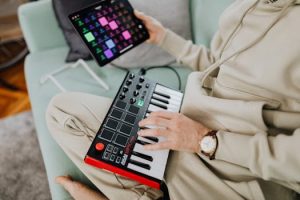
Creating the Ultimate Practice Routine for Musicianship Growth

Welcome musicians, to the ultimate guide for creating a practice routine that will take your musicianship to the next level. As any musician knows, practice is the key to improvement. However, having an effective and well-rounded practice routine is essential for making progress and reaching your full potential. In this article, we will discuss the crucial elements of a practice routine and how to create a personalized plan that will maximize your growth as a musician. So, let’s dive in and unlock the secrets to creating the ultimate practice routine for musicianship growth!
The Importance of a Practice Routine
Before we dive into the specifics of creating a practice routine, it’s essential to understand why it’s important in the first place. A practice routine is the foundation of any musician’s growth and development. It allows for consistency and structure in your approach to practicing, which is crucial for making progress. Without a routine, it’s easy to become unfocused and inefficient in your practice sessions, leading to limited growth and potential burnout. With a well-crafted practice routine, you can ensure that your practice time is spent effectively and efficiently, leading to significant improvements in your musicianship.
Assessing Your Current Skill Level
Before you can create a practice routine, you must first assess your current skill level. This step is crucial as it will help you identify your strengths and weaknesses as a musician. Take some time to evaluate your playing and note down areas that you excel in and areas that need improvement. This assessment will serve as a starting point for creating a practice routine that is tailored to your specific needs and goals.
Identifying Your Goals
Once you have assessed your current skill level, the next step is to identify your goals as a musician. What do you want to achieve? Do you want to improve your technique, increase your repertoire, or learn a new style of music? Having specific goals in mind will help you create a more structured and focused practice routine. Your goals should be challenging yet attainable, and most importantly, they should be clear and well-defined.
Creating a Practice Schedule
Now that you have identified your goals and assessed your current skill level, it’s time to create a practice schedule. Your practice schedule should be tailored to your lifestyle, and it should be realistic. It’s better to have shorter but more focused practice sessions than long, unfocused ones. When creating a practice schedule, make sure to allocate enough time for each specific goal and set aside some time for rest and relaxation. Remember, burnout is a musician’s worst enemy, so make sure to give yourself enough time to recharge and avoid overworking yourself.
The Elements of an Effective Practice Routine
Warm-up Exercises
Just like athletes warm-up before a game, musicians must also warm-up before a practice session. Warming up not only helps to prevent injury but also prepares your body and mind for the more challenging exercises that will follow. Your warm-up routine should include stretching, finger exercises, and playing simple scales and arpeggios to get your fingers and mind ready for more advanced techniques.
Technical Exercises
Technical exercises are crucial for building dexterity and control over your instrument. These exercises can include scales, arpeggios, and chord progressions that focus on different areas of your playing. When practicing technical exercises, make sure to start slow and gradually increase the speed. It’s essential to stay focused on maintaining proper technique and avoiding tension in the muscles.
Repertoire Practice
Practicing repertoire is essential for developing your musicality and performance skills. It’s important to have a well-rounded repertoire that includes pieces from various genres and composers. When practicing repertoire, make sure to break down challenging parts into smaller sections and focus on mastering one section at a time. Don’t be afraid to experiment and make the pieces your own by adding personal touches and interpretations.
Aural Skills and Theory
Developing your aural skills and understanding of music theory is crucial for becoming a well-rounded musician. Dedicate some practice time to ear training, interval recognition, and sight-reading exercises. This will not only enhance your overall musicianship but also make learning new pieces easier and more enjoyable.
Jamming and Improvisation
It’s essential to devote some time to jamming and improvisation. This allows for creativity and experimentation, which is essential for developing your personal style and sound. Use backing tracks or play along with your favorite songs to practice your improvisation skills and apply the theory you have learned.
Record and Track Your Progress
Lastly, don’t forget to record and track your progress. Recording yourself is an excellent way to hear your playing objectively and identify areas that need improvement. It’s also a great way to see how far you’ve come. Track your progress regularly to stay motivated and celebrate the milestones you’ve achieved.
Conclusion
Creating the ultimate practice routine for musicianship growth takes time, effort and dedication. Remember always to prioritize quality over quantity and keep your practice sessions focused and efficient. With a well-rounded practice routine, you can make significant progress and reach your full potential as a musician. So, incorporate the elements discussed in this article into your practice routine, and get ready to take your musicianship to new heights!