Simple Upgrades to Your Home Studio for Better Recordings

Welcome to the age of DIY home studios! With technology becoming more accessible and affordable, it’s never been easier to set up a home studio and record your own music. Whether you’re a beginner or a seasoned pro, having a home studio allows you to work on your craft at your own pace and convenience. However, just because you can record at home doesn’t mean you’re automatically getting high-quality recordings. The good news is, with a few simple upgrades, you can take your home studio recordings to the next level.
Acoustics: The Foundation of Good Recordings
When it comes to recording, one of the most important factors that often gets overlooked is the acoustics of your room. A well-treated room can make all the difference in the quality of your recordings. Achieving good acoustics doesn’t have to break the bank – start by placing some acoustic panels strategically around your room to absorb unwanted reflections and echo. You can also DIY your own panels with materials like rock wool, foam, or blankets. Alternatively, invest in a good set of studio monitors – these are specifically designed to give you a flat and accurate sound, so you can make better mixing decisions.
Microphone Choices: It’s Not One-Size-Fits-All
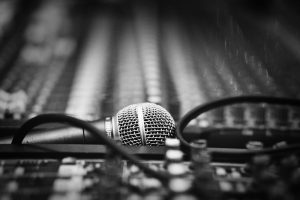
When it comes to capturing the perfect sound, your microphone choice is crucial. There is no one-size-fits-all solution, as different microphones are better suited for specific instruments and vocal styles. If you’re just starting, a good dynamic microphone like the Shure SM57 is a versatile choice, as it works well for both vocals and instruments. However, for a more professional sound, consider investing in a condenser microphone, which captures more detail and nuances in your recordings. Just be mindful of your budget and do your research before making a purchase.
Getting Your Setup Right: Signal Chain and Gain-Staging
Great recordings also rely on having a clean and accurate signal chain. This means ensuring that each piece of equipment in your recording setup is functioning optimally and is connected correctly. For instance, ensuring your microphone is plugged into the right input on your audio interface and that your cables are in good condition can make a significant difference in the quality of your recordings. Additionally, proper gain-staging is crucial for getting a good balance between loud and quiet parts of your recordings. This means setting the input levels on your audio interface to ensure that your signal is neither too low nor too high.
The Power of Post-Production: Mixing and Mastering
Once you’ve recorded your tracks, the final step to achieving a polished and professional sound is post-production. While some may be intimidated by the mixing and mastering process, it’s not as complicated as it seems. There are several tutorials and courses available online that can guide you through the basics. You can also invest in a good digital audio workstation (DAW) like Logic Pro X or Pro Tools, which come with built-in effects and tools to help you fine-tune your recordings. However, if this seems daunting, consider working with a professional mixing and mastering engineer to give your tracks that extra level of polish.
In Conclusion
With these simple upgrades, you can elevate your home studio recordings to a professional level. Remember, there is no right or wrong way to do things – every setup and recording space is unique. Experiment and find what works best for you and your recordings. And most importantly, have fun and keep creating music!